MT4
Older platform with a very large legacy ecosystem. Existing MQL4 code can be a strong reason to stay with it.
MetaTrader automation can stay inside an Expert Advisor, connect to Python, or become part of a larger webhook/VPS system. MT4 and MT5 are related but not interchangeable runtimes.
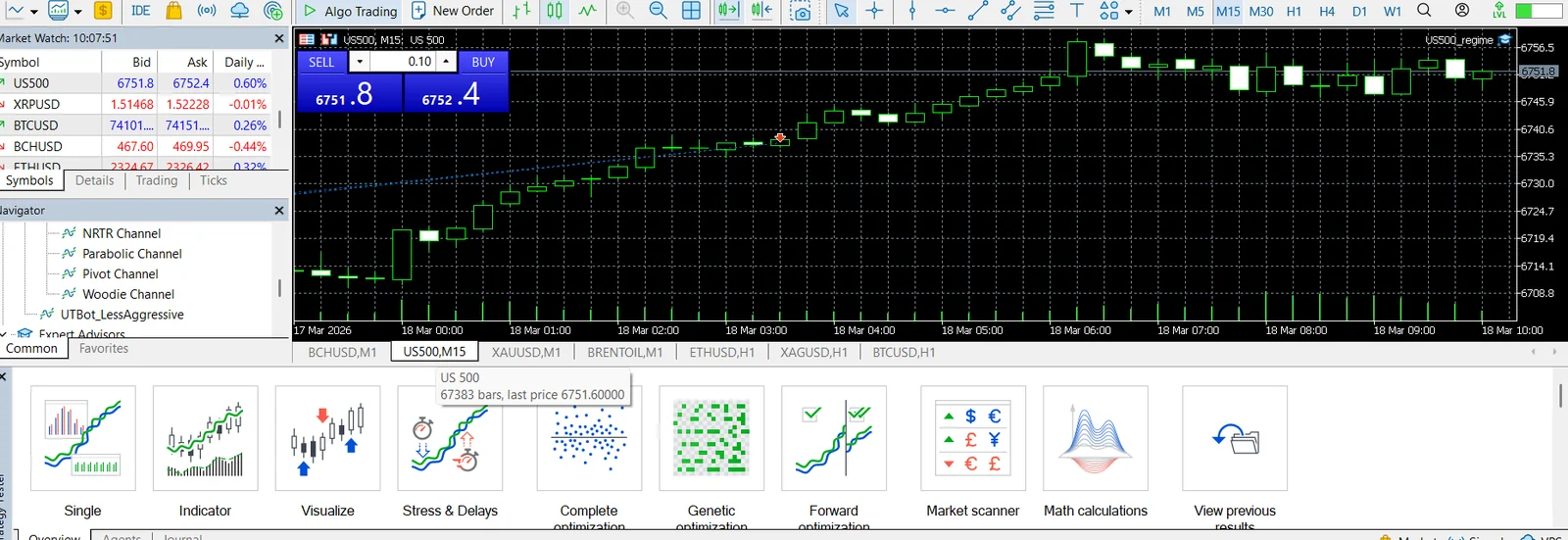
An EA is an Expert Advisor that runs inside MetaTrader. MQL4 is used by MT4 and MQL5 by MT5. If the EA runs on your home terminal, the terminal and PC normally need to remain running. A VPS can move that runtime away from your home PC.
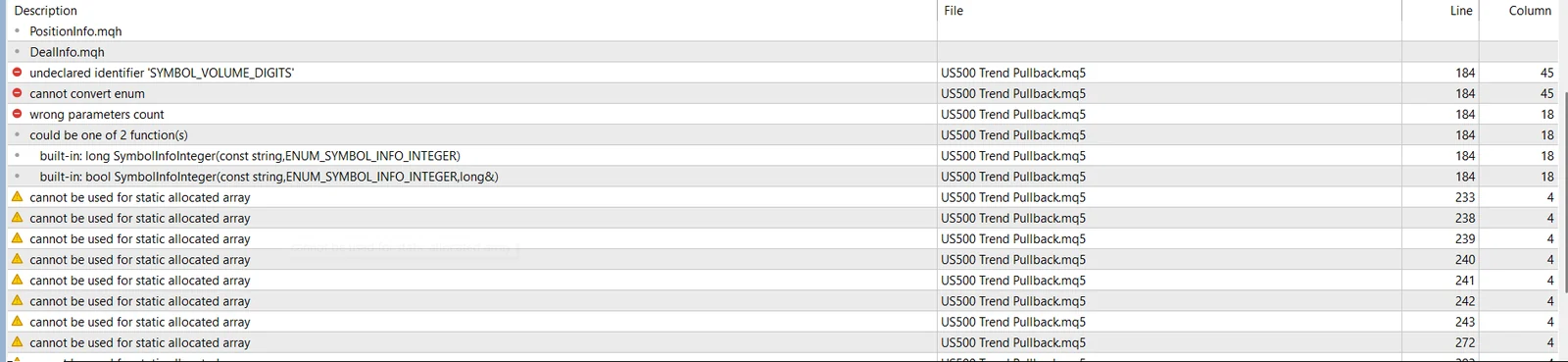
Write or generate an EA, compile it, fix every compiler error, run Strategy Tester, inspect bad results as well as good ones, then test with very small supervised exposure before trusting the runtime.
Older platform with a very large legacy ecosystem. Existing MQL4 code can be a strong reason to stay with it.
Newer architecture, stronger built-in testing capabilities and official Python integration through the MetaTrader5 package.
Signal, rules and execution live inside MetaTrader. Fewer moving parts, but tightly coupled to the platform.
Python can handle analysis or orchestration while the MT5 terminal provides the platform connection. Both need to be available on the machine where they run.
MetaTrader VPS is specialized for MetaTrader workloads. A general Windows VPS is more flexible when you need Python, extra programs, files or remote desktop access alongside MetaTrader. Your own PC is fine for learning and supervised testing.
The EA needs a running MetaTrader environment somewhere. That can be your PC, a general VPS or a suitable MetaTrader hosting setup.
Python can integrate with MT5 for many workflows, but it is a separate process and architecture. An EA written in MQL5 runs natively inside the terminal.
It depends on broker support, existing code and requirements. MT5 generally offers a newer platform and stronger built-in testing, while legacy MQL4 ecosystems can be a reason to use MT4.
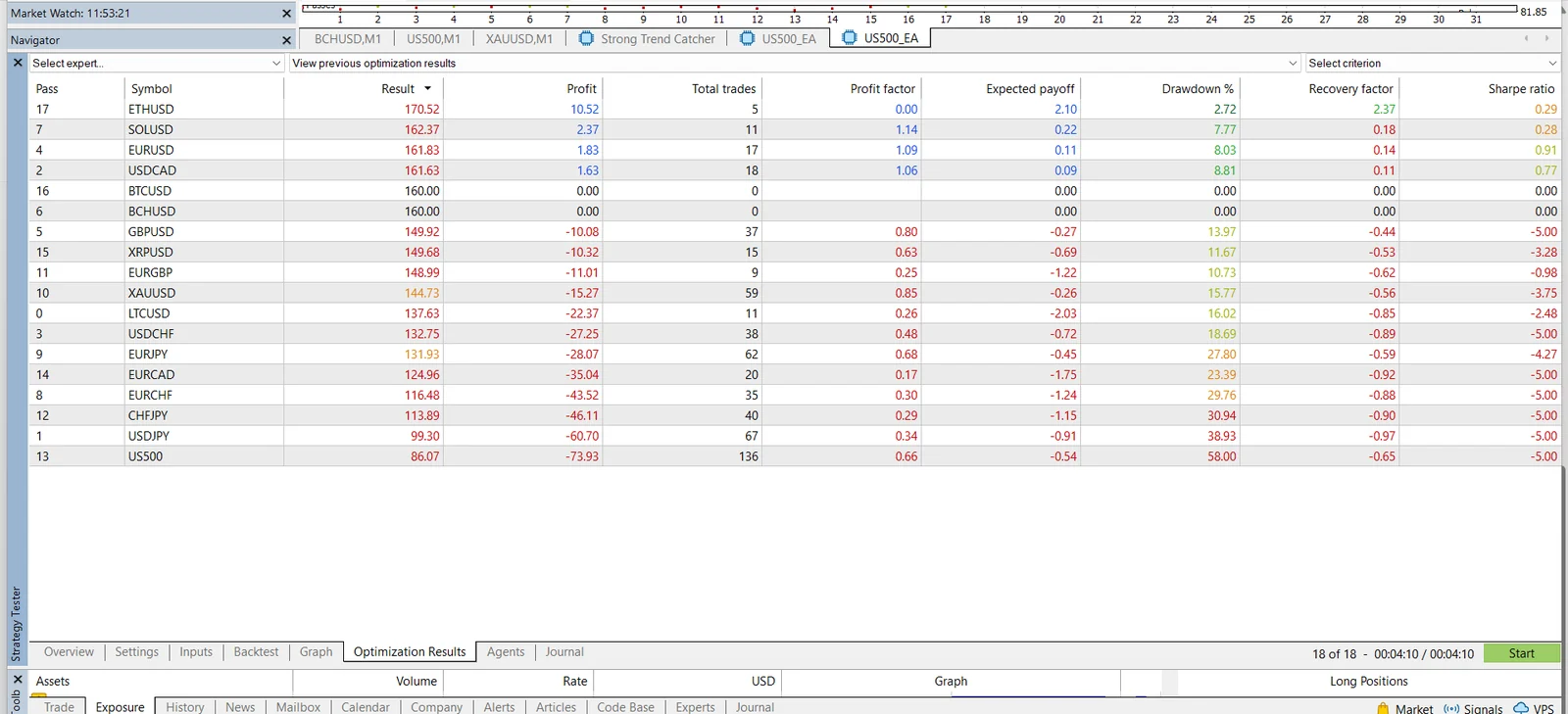
These screenshots come from actual MetaTrader work sessions. They are included to show the development process rather than to advertise a strategy.
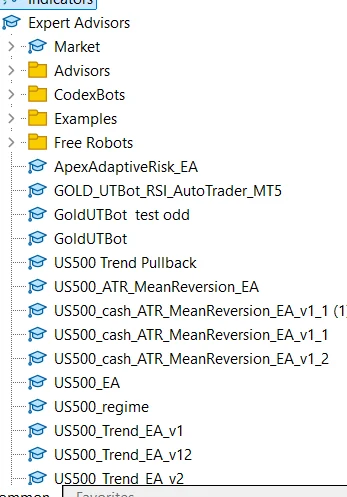
US500, Gold and other ideas went through repeated revisions. Keeping versions separate made it possible to compare changes and roll back.
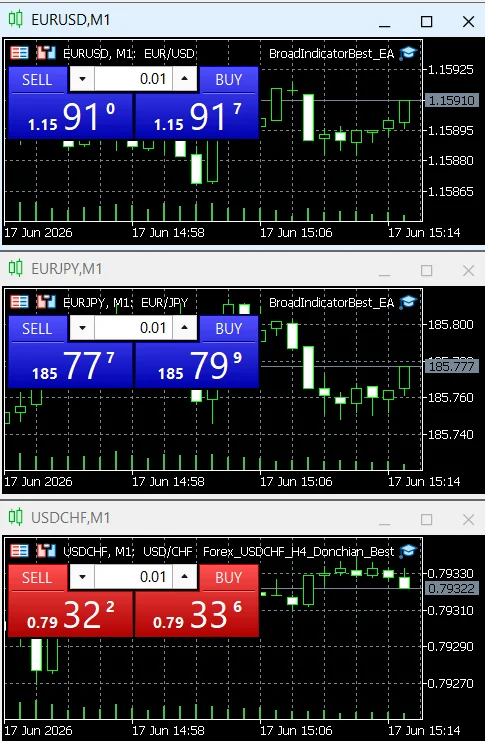
Small 0.01-size tests were used to observe whether strategy logic and execution behaved as expected on different instruments.
See more real build artifacts, including failed tests and debugging screenshots →