Use TradingView as a signal layer, then make the backend explicit.
TradingView is strong at charts, indicators, Pine Script and alerts. A webhook can carry an alert into your own Worker, VPS or API service.
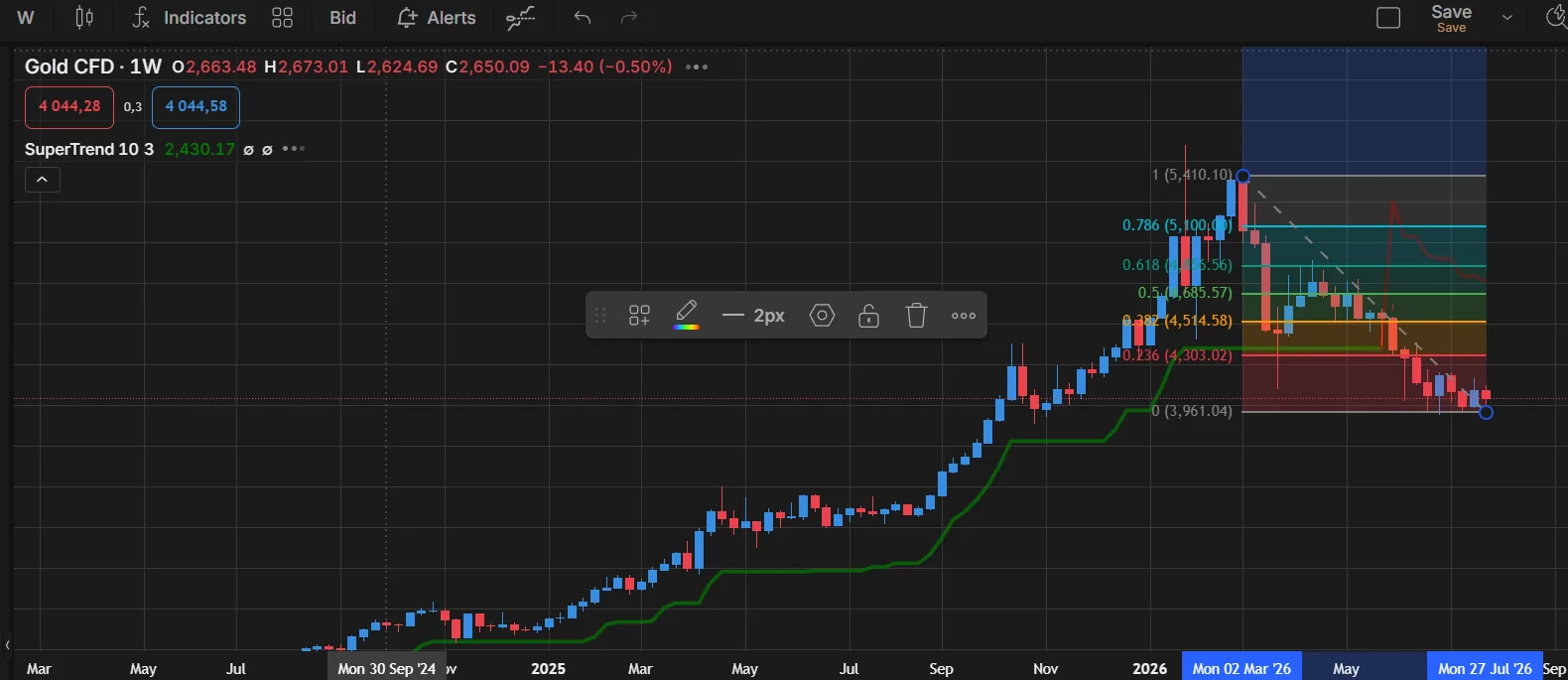
Typical architecture
TradingView detects a condition → an alert sends a webhook → your receiver validates it → your backend decides what is allowed → an external API performs the action → logs record the result.
Signal versus execution
A chart condition can be perfectly correct while the trade still fails because the webhook payload is malformed, the receiver rejects it, the broker session expired or a risk check blocks the order.
Pine Script / chart condition
      ↓
TradingView alert
      ↓ JSON webhook
Cloudflare Worker or VPS endpoint
      ↓ validation / state / risk
External API or broker adapter
Pine Script and alerts solve different problems
Pine Script defines chart-side logic. Alerts are the delivery mechanism. Your external receiver should not assume that receiving an alert is enough reason to take an irreversible action. Check timestamp, duplicates, current state and any backend rules.
Where AI helps
AI can explain Pine code, draft alert messages, review logic and help inspect charts. Generated code must still be compiled and tested. Browser or chart AI should not be treated as a deterministic unattended execution engine unless the full downstream behavior is deliberately engineered and monitored.
Important webhook habits
- Use valid JSON when your receiver expects JSON.
- Include an event ID and timestamp.
- Do not place broker passwords in the alert body.
- Authenticate the receiving endpoint.
- Make duplicate alerts harmless.
- Log the rejection reason when an event is ignored.
Read next
Common questions
Is a TradingView alert the same as a bot?
No. An alert is a trigger/message. A complete bot also needs validation, state, failure handling and whatever system performs the action.
Why send JSON in the webhook?
JSON gives named fields and types so the receiver can validate the message instead of parsing one ambiguous string.
Should the webhook contain broker credentials?
No. The receiver should keep credentials in backend secret storage and use the alert only for the information needed to identify the event.